

도서관 목록은 불 논리를 사용하여 검색어를 읽고 결과 목록을 제공합니다. 불 논리는 수학자 존 불의 연구를 기반으로 하는 기본적인 참/거짓 논리 시스템입니다. 이 논리는 AND, OR, NOT 세 가지 연산자를 기반으로 합니다. 대부분의 컴퓨터 프로그래밍 언어는 이러한 연산자를 표현하고 읽는 방법을 가지고 있으며, 수십 년 동안 디지털 도서관 검색의 기초적인 부분을 차지해 왔습니다.
이 가이드에서는 기울임 검색어를 나타내기 위해, 인용 부호와 일부 다른 구두점은 보시다시피 특정 의미를 가지며 검색 방식을 변경합니다. 혼동을 피하기 위해, 작품 제목 및 강조된 단어는 밑줄. DTL을 검색할 때는 이탤릭체를 사용할 필요가 없습니다. 마찬가지로, 이 가이드에서는 세 가지 기본 부울 연산자를 바로 위 문단과 마찬가지로 모두 대문자로 표기하여, 연산자임을 쉽게 알아볼 수 있도록 할 것입니다. 도서관 시스템은 대소문자를 구분하지 않습니다. 편의를 위해 연산자를 모두 대문자로 입력할 수는 있지만, 시스템에는 아무런 차이가 없습니다. 또한 이 가이드 전반에 걸쳐 검색어에 포함된 고유명사의 첫 글자가 대문자로 표기되기도 하고 그렇지 않기도 한 것을 볼 수 있습니다. 시스템은 로저 그리고 로저스.
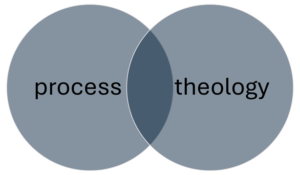
가장 일반적이고 기본 연산자는 AND입니다. 검색창에 여러 단어로 된 구문을 입력하면, 마치 과정 신학, 시스템은 다음과 같이 읽습니다. 과정 신학. 해당 내용을 포함하는 모든 레코드를 검색합니다. 둘 다 단어들 처리 그리고 신학 기록의 어디에 있든, 단어들이 함께 사용되든 그렇지 않든 차이가 없을 것입니다. 그래서 책의 제목이 정치 신학으로서의 과정 신학 다음과 같은 책과 동일한 결과 목록에 표시됩니다. 문화간 신학 “process”라는 일반적인 단어를 설명에 포함하여.
가장 기본적인 검색 방법이 효과가 없다는 것을 의미하지는 않습니다. “과정 신학”은 전문 용어이며 DTL에 관련된 서적과 논문이 많이 있으므로, 해당 문구를 검색하면 과정 신학 많은 유용한 자료를 찾으실 수 있습니다. 사실, 그냥 입력하시면 처리, 저널을 받아볼 수도 있습니다 프로세스 연구 결과 첫 페이지에서. 하지만 관련 없는 내용도 많이 나오기 때문에, 도움이 되지 않는 결과들을 많이 뒤져야 한다면 검색하는 방식을 재설계해야 할 수도 있습니다.
단어를 더 추가하면 검색 결과가 자연스럽게 좁혀집니다. 만약 두 가지 모두에 해당하는 기록이 10,000건 있다면 처리 그리고 신학 그들 중 어느 곳에, 추가 철학 해당 10,000건 중 세 단어를 제외한 어떤 것도 제거할 것입니다. 이와 같은 기본 검색에 단어를 더 많이 추가할수록 더 구체적이고 따라서 더 제한적이 될 것입니다. 대부분의 경우 저자의 성과 제목에서 중요한 두세 단어를 입력하기만 하면 특정 책이나 기사를 찾을 수 있습니다. DTL로 이동하여 문구를 검색하십시오. 로저스 갓 그래피티. CST 교수 프랭크 로저스의 책을 구매해야 합니다. 그래피티 속에서 신을 찾다 첫 번째 또는 두 번째 결과로.
- 팁: 입력하는 동안 시스템에서 검색어 목록을 드롭다운으로 제공할 수 있습니다. 찾고 있는 내용과 일치하는 항목이 있다면 해당 용어를 선택할 수 있고, 목록을 무시하고 직접 입력해도 됩니다. 드롭다운 목록을 무시하기로 결정한 경우, 검색창 오른쪽에 있는 검색 버튼을 수동으로 클릭해야 할 수도 있습니다. 드롭다운 목록의 첫 번째 항목이 자동으로 선택될 수 있으므로, 단순히 Enter 키를 눌러 검색하면 입력한 내용 대신 해당 항목으로 검색될 수 있습니다. 모든 컴퓨터 시스템에는 약간 짜증 나는 기능이 있으며, 이것이 DTL 카탈로그의 기능 중 하나입니다.
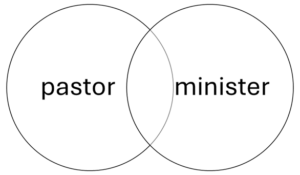
검색 문구를 변경하는 유용한 방법은 OR 연산자를 사용하는 것입니다. 이 연산자는 동의어를 사용할 때 가장 유용합니다. 검색 처리 또는 신학 단어를 포함한 모든 기록을 찾을 것입니다 처리 그리고 그 단어가 들어간 모든 기록 신학, 두 사람 모두에 대한 기록을 포함해서요. 아마도 너무 많을 것이고, 대부분은 관련이 없을 것입니다. 하지만 개신교 성직자에 대한 자료를 찾고 있다면, 입력할 수 있습니다. 목사 또는 장로 이는 단어 하나만 검색할 때보다 더 다양한 결과를 얻기 위함입니다. 이 문구는 개신교 교회를 이끄는 사람을 지칭하는 여러 가지, 때로는 상호 교환 가능한 방법을 고려하며, 유용한 서적이나 기사에서 어떤 용어를 사용할지 확실하지 않을 수 있다는 사실을 말합니다.
OR는 AND보다 훨씬 많은 수의 결과를 찾는 경향이 있으므로, OR를 신중하게 사용하거나 다른 연산자와 함께 사용하는 것이 가장 좋습니다.
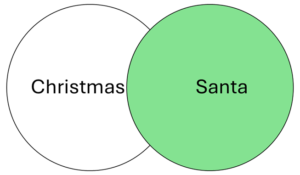
이것은 가장 어려운 연산자인데, 보고 싶을 수도 있는 것을 실수로 제거하기 쉽기 때문입니다. NOT은 여러 매우 다른 맥락에서 사용되는 용어를 검색할 때 또는 모호한 하위 주제에 있는 항목을 제거하고 싶을 때 사용하는 것이 가장 좋습니다.
크리스마스에 대한 자료 조사를 하고 싶지만, 산타클로스에 대한 자료는 흥미가 없다고 가정해 봅시다. 다음과 같이 검색할 수 있습니다. 크리스마스 산타 아님, (아래 따옴표에 대한 섹션에서 전체 이름 산타클로스를 이 검색에 포함하는 방법을 설명할 것입니다), 하지만 이는 산타클로스에 대한 쉽게 건너뛸 수 있는 장을 우연히 포함하고 있어 대부분 유용할 수 있는 책에 대한 기록을 보지 못하게 할 수 있습니다. 지금 NOT을 사용하기에 좋은 시기가 아닐 수 있습니다.
하지만 NOT은 다른 경우에도 유용할 수 있습니다. 아마도 당신은 크리스마스 카탈로그를 검색하면 수백만 개의 결과가 나오지만, 어떤 이유에서인지 상위 결과 중 상당수는 크리스마스 선인장이라고도 불리는 식물에 대한 자료입니다. 이 경우 다음을 시도해 볼 수 있습니다. 크리스마스 선인장 아님 또는 크리스마스 식물학 아님 또는 관련 없는 결과를 제거하기 위해 이와 유사한 것을. DTL은 다른 일부 구독과 함께 제공되는 많은 의학 저널에 접근할 수 있으므로, 추가할 때 다음과 같은 상황에 처하게 될 수 있습니다. 의약품 아님 또는 유사한 항목이 검색 결과를 정리하는 데 도움이 될 수 있습니다.
산타클로스에 대한 자료를 제외하기 위해 NOT을 사용하면 역효과를 낼 수 있습니다. 산타클로스는 미국 크리스마스의 매우 통합된 특징이기 때문입니다. 하지만 유럽의 인물인 크람푸스는 최근 미국에서 많은 관심을 받고 있으므로, 독일과 오스트리아의 크리스마스 축하 행사에 관심이 없다면, 크리스마스! 크람푸스 아님 검색 범위를 좁히는 데 도움이 될 것입니다.
- 팁: 검색할 때 NOT을 사용하는 것보다 AND를 추가하는 것이 보통 더 효과적입니다. 알렉산드리아 그리고 이집트 더 관련성 높은 결과를 얻을 수 있습니다 알렉산드리아 버지니아 아님, 이는 대상을 긍정적으로 식별할 뿐만 아니라, 우연히 버지니아라는 이름을 가진 학자들이 쓴 이집트 도시에 관한 책을 실수로 제외하는 것을 방지하기 때문이다.
- 팁: NOT 구문은 순서에 의존하지 않습니다. 즉, 크리스마스 산타 아님 다른 검색입니다 산타 크리스마스 아님. 검색 문자열 내 구문 및 순서에 대한 자세한 내용은 아래 괄호 섹션을 참조하십시오.